Best Thyroid Specialist in Mumbai

Who Needs thyroid specialist?

Thyroid Doctor in Mumbai | Expert Care & Treatment

Benefits of a thyroid specialist

Meet Our Expert

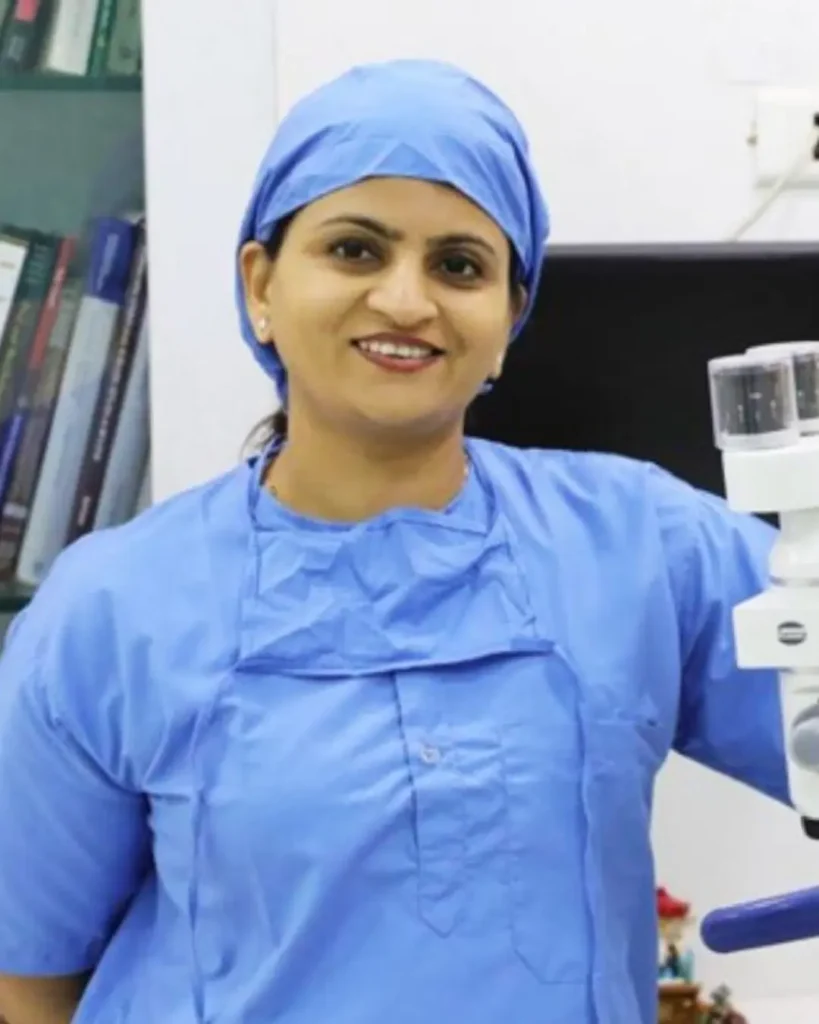
Best ENT Doctor in Mumbai - Dr. Amrapali Pawar

Dr. Amrapali Pawar

M.S.(ENT),  F.C.P.S.,  D.O.R.L.,(Mumbai)

    • Dr. Amrapali Pawar is a renowned ENT specialist practicing in Mumbai for the past 25+ years.
    • Currently Heads the Department of ENT and Head Neck surgery as a senior consultant at K.B.Bhabha Municipal hospital, Bandra.
    • Consults at the very well known hospital in the western suburbs – Criticare hospital and research center at Andheri west.
    • Visiting ENT surgeon at the prominent Sushrut hospital and Research center at Chembur.
    • Post-graduation in ENT from Grant Medical College and Sir JJ Group of Hospitals, Mumbai.
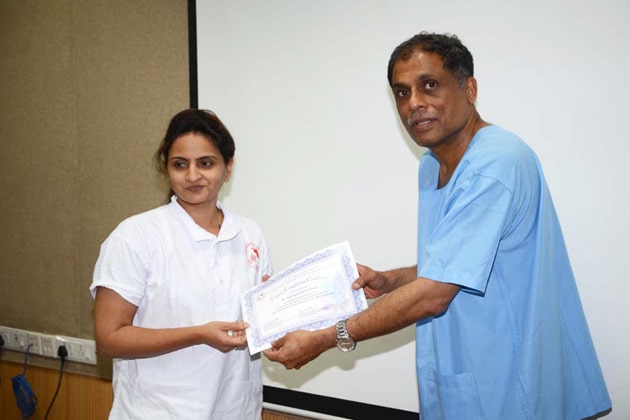
    • Thyroid cancer Preceptorship at the prestigious Tata Memorial Hospital, Mumbai.

Why Choose Dr. Amrapali Pawar?

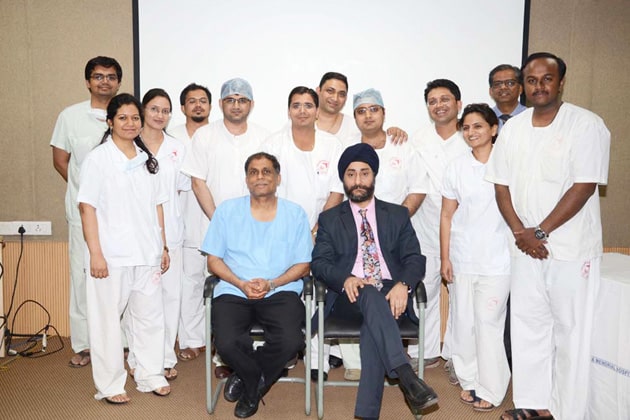
Gallery

Do you experience tiredness, weight gain, or a lump in the throat that persists? These could be signs of a thyroid problem. Prathamesh ENT Clinic is one of the best thyroid specialist in Mumbai, Dr. Amrapali Pawar offers cutting-edge diagnosis and treatment for all thyroid conditions. With 25+ years of experience and top-of-the-line diagnostic equipment, we offer each patient individualized, effective, and compassionate treatment.

Understanding Thyroid Disorders

The thyroid gland is a small butterfly-shaped gland at the front of the neck. It regulates your body’s metabolic rate, heart rate, temperature, and hormone levels. Overactive (hyperthyroidism) or underactive (hypothyroidism) thyroid can lead to all sorts of health issues.

Some of the most common thyroid disorders are:

  • Goitre (enlarged thyroid)
  • Thyroid nodules or cysts
  • Hyperthyroidism
  • Hypothyroidism
  • Thyroid cancer
  • Thyroiditis (inflammation of the thyroid gland)

Symptoms You Shouldn’t Ignore

Thyroid conditions may be found in men and women of any age group. Some are minor but, if left untended, can lead to complications. Below are some of the typical symptoms:

  • Persistent weakness or loss of energy
  • Unexplained weight gain or loss
  • Depression, anxiety, or irritability
  • Irregular periods in women
  • Hair loss or dryness of the skin
  • Swollen throat or trouble swallowing
  • Irregular pulse or palpitations
  • Cold intolerance or heat intolerance

Why Dr. Amrapali Pawar for Thyroid Treatment in Mumbai

Dr. Amrapali Pawar is a well-known ENT specialist with 25+ years of experience in thyroid treatment in Mumbai. She’s a compassionate and patient doctor with extensive knowledge regarding how ENT and thyroid conditions tend to get along with one another. She’s an expert in head and neck anatomy and a popular thyroid specialist in Mumbai for medical treatment as well as surgery.

This is why patients have confidence in her:

  • Accurate diagnosis by clinical examination, laboratory investigations (TSH, T3, T4), and scans
  • Correctly performed ultrasound and FNAC reporting
  • Treatment according to current treatment guidelines
  • Good skills in thyroid surgery (total and subtotal thyroidectomy)
  • Personalized post-operative hormone management
  • Friendly, hospitable consultation center

Conclusion

If you are suffering from thyroid issues, feel free to go to experts. Prathamesh ENT Clinic is the best ENT clinic in Mumbai with high-tech and empathetic thyroid care. You will be treated by Dr. Amrapali Pawar with skilled hands for accurate diagnosis and dedicated care for lasting relief.

FAQ

Thyroid problems can occur at any age, but thyroid disease is most commonly diagnosed in people between 20 to 50 years of age. Women are more susceptible to thyroid disease, especially during times of hormonal changes such as pregnancy or menopause.

Yes, stress can affect thyroid function. Stress will not cause a thyroid disorder on its own, but it can worsen existing conditions like hypothyroidism or hyperthyroidism by disrupting hormonal balance and undermining the immune system.

In some cases, hyperthyroidism can cause hoarseness, a shakiness of voice, or inability to speak out clearly, especially if the thyroid gland is enlarged and pressing on adjacent structures like the vocal cords or the trachea.

Both hypothyroidism and hyperthyroidism are capable of causing hair loss or thinning. This is due to hormonal imbalance that disrupts normal hair cycle. Hair grows again after the thyroid disorder has been cured.

The duration of thyroid enlargement is variable depending on the cause. In thyroiditis, for instance, the swelling lasts several weeks to several months. If due to a goitre or nodule, it continues or increases over time unless treated.

Prathamesh ENT Clinic

Understanding Thyroid Swellings –  Causes, Types, Diagnosis, Treatment

Overview 

The thyroid, a butterfly-shaped gland located at the base of the neck, is a small organ with an enormous impact on the body’s functions. Occasionally, the thyroid gland can undergo abnormal enlargement, leading to what is commonly known as thyroid swellings or goiters. These swellings, although generally non-cancerous, can affect thyroid function and even cause discomfort or cosmetic concerns. Here, we will delve into the intricate world of thyroid swellings. We will explore what exactly thyroid swellings are, distinguish between thyroid nodules and swellings, uncover the primary causes of thyroid gland enlargement, explore the main types of thyroid swellings, discuss the main diagnostic tests utilized to diagnose these swellings, explore the various treatment options available, and highlight the exceptional expertise of Dr. Amrapali Pawar in managing thyroid conditions.


What Are Thyroid Swellings?

Let us begin with our research by understanding what thyroid swellings, often known as goiters, are. Thyroid swellings are defined by an abnormal enlargement of the thyroid gland, which can appear as a palpable lump or as a more generalized swelling in the neck region. Though most goiters are harmless, their presence can yet affect thyroid function and cause discomfort or cosmetic concerns.


Difference Between Thyroid Nodules vs. Thyroid Swellings 

The terms “thyroid nodules” and “thyroid swellings” can be used together, yet there are differences between them. Thyroid nodules are small, solid, or fluid-filled masses within the thyroid gland. Thyroid swellings, on the other hand, are a more wide enlargement of the entire thyroid gland. While thyroid nodules can certainly contribute to overall swelling, not all nodules cause visible or evident swelling.


Causes of Thyroid Gland Enlargement

Understanding what causes the thyroid gland to enlarge is fundamental to grasping the complexities of thyroid swellings. Several factors can contribute to this enlargement:

  1. Iodine Deficiency
    Historically, iodine deficiency has been a leading cause of goiters. Iodine is an essential element for the production of thyroid hormones. A shortage of iodine can disrupt this hormone synthesis process, leading to thyroid gland enlargement.
  1. Autoimmune Diseases
    Autoimmune diseases such as Hashimoto’s thyroiditis and Graves’ disease can induce thyroid swellings. These conditions involve the immune system mistakenly attacking the thyroid gland, causing inflammation and enlargement.
  1. Genetics
    Genetic predisposition can also play a role in the development of thyroid swellings. Individuals with a family history of thyroid disorders may be at a higher risk.
  1. Medications
    Certain medications, including lithium and amiodarone, have been associated with thyroid gland enlargement as a side effect.
  1. Pregnancy
    Hormonal changes that occur during pregnancy can lead to temporary thyroid swelling. This typically resolves after childbirth.
  1. Thyroid Cancer
    While most thyroid swellings are benign, thyroid cancer can also cause enlargement of the thyroid gland. It’s important to differentiate between benign and malignant swellings through diagnostic tests.


Types of Thyroid Swellings

Thyroid swellings are not uniform. They can manifest in different ways. 

The main types of thyroid swellings include:


Diagnostic Tests to Investigate the Thyroid Swellings

When thyroid swellings are detected, it is essential to conduct a series of diagnostic tests to assess their nature, size, impact, and underlying causes. The common diagnostic tests include:

  1. Thyroid Function Tests
    These blood tests measure the levels of thyroid hormones (T3 and T4) and thyroid-stimulating hormone (TSH). These tests help determine if the thyroid is functioning properly, which is vital for diagnosing hyperthyroidism or hypothyroidism.
  1. Ultrasound Imaging
    An ultrasound of the thyroid provides detailed images of the gland’s structure and any abnormalities, including nodules or swellings. This imaging technique aids in evaluating the size, location, and composition of the swellings.
  1. Fine Needle Aspiration (FNA) Biopsy
    In cases where thyroid nodules are detected, an FNA biopsy may be performed. This minimally invasive procedure involves using a thin needle to extract a small tissue sample from the thyroid. The sample is then examined under a microscope to determine if the nodule is benign or cancerous.
  1. Thyroid Scan
    A thyroid scan involves the use of a radioactive tracer that is either ingested or injected. This tracer allows for the assessment of the thyroid’s overall function and structure, helping to identify areas of overactivity (hot nodules) or underactivity (cold nodules) within the gland.


Treating Thyroid Swellings: Exploring the Best Options

The treatment approach for thyroid swellings varies based on several factors, including the underlying cause, the size of the swellings, the presence of symptoms, and the patient’s overall health. Here are the main treatment options:

  1. Monitoring
    In cases where thyroid swellings are small, non-cancerous, and not causing symptoms, a “watchful waiting” approach may be adopted. This involves regular monitoring of the swellings through physical examinations and imaging studies. If there is no significant growth or development of symptoms, treatment may not be necessary.
  1. Medication
    For individuals with thyroid swellings associated with thyroid hormone imbalances (hyperthyroidism or hypothyroidism), medication may be prescribed. Antithyroid drugs or hormone replacement therapy can help regulate hormone levels and potentially reduce the size of the swellings.
  1. Radioactive Iodine Therapy
    Radioactive iodine therapy is often used to treat thyroid swellings that are associated with hyperthyroidism, especially those caused by conditions like Graves’ disease. This treatment involves the oral ingestion of radioactive iodine, which selectively targets and shrinks overactive thyroid tissue.
  2. Thyroidectomy
    Surgical removal of part or all of the thyroid gland may be necessary in cases of large thyroid swellings, compressive symptoms, cosmetic concerns, or the presence of thyroid cancer. A thyroidectomy can be performed as a partial (removal of a portion of the gland) or total (removal of the entire gland) procedure.
  3. Microwave Ablation of Thyroid
    Microwave ablation is a minimally invasive procedure used to treat thyroid nodules. It involves using microwave energy to heat and destroy the nodule. This procedure is becoming increasingly popular due to its effectiveness and minimal invasiveness.


Why Choose Dr. Amrapali Pawar to Treat Thyroid Swellings?

Dr. Amrapali Keny- Pawar is a renowned ENT specialist in Mumbai for the past 25+ years and has a well-established practice at Mumbai.

Dr. Amrapali Pawar emerges as a prominent figure in the field of endocrinology and thyroid disorders. Her expertise, combined with a compassionate and patient-centered approach to healthcare, positions her as an exceptional choice for individuals seeking the management of thyroid conditions. Dr. Pawar is dedicated to providing personalized treatment plans tailored to each patient’s unique needs. She remains committed to staying updated with the latest advancements in thyroid care and ensures that her patients receive the highest standard of care.

In Conclusion, thyroid swellings, or goiters, are a common occurrence that can have various causes and manifestations. Understanding the differences between thyroid nodules and swellings is crucial in evaluating and diagnosing these conditions accurately. Moreover, recognizing the primary causes of thyroid gland enlargement helps in addressing the root issues. The two main types of thyroid swellings, diffuse goiter and nodular goiter, further highlight the diverse nature of these conditions.

Diagnosis is a critical step in managing thyroid swellings, with a range of tests available to assess their size, composition, and impact. The choice of treatment depends on several factors, including the cause of the swellings and the presence of symptoms. Whether through monitoring, medication, radioactive iodine therapy, or surgery, the goal is to ensure that thyroid swellings do not disrupt one’s quality of life.

In the journey toward thyroid wellness, individuals are fortunate to have experts like Dr. Amrapali Pawar guiding the way. Her expertise, dedication, and patient-centered approach make her a trusted partner in the management of thyroid conditions. As we conclude this comprehensive guide, it’s clear that understanding thyroid swellings empowers individuals to make informed decisions about their health, with the assurance that expert care is readily available to help them navigate this often complex and sensitive medical territory.

Call Now!!!